


Unlock the hidden potential of your small business website with a website refresh
In today's digital landscape, your website can be a powerful marketing tool to help you grow your business, rather than just an online presence. But if your website is outdated or underperforming it can give the wrong impression of your business and hold you back. When was the last time you looked at your website like a customer? Does it reflect your business now? Is it easy for your ideal customer to contact you? If not, it may be time for a website refresh to take your business to new heights.
Imagine this: your website is like a virtual shopfront, attracting potential customers and guiding them through the digital experience of your brand. But if your website is slow, unresponsive, or lacking in compelling content, it's like having a storefront with the lights turned off. You're missing out on valuable opportunities to connect with your audience and grow your business.
That's why a website refresh is key. It allows you to assess your current website, check you’re using the right theme, optimise it for speed and responsiveness, enhance the user experience, and create engaging and SEO-friendly content. And the best part? You don't need to be a tech wizard to make these changes. With the right guidance and a little bit of effort, you can transform your website into a powerful marketing tool.
In this blog, I'll take you through the step-by-step process of unlocking the hidden potential of your small business website.
By the end of this blog, you'll have a roadmap to help you refresh your small business website. You'll understand how to promote your website and measure success. Don't let your website hold you back any longer.
Assess your current website
This first step is essential in identifying areas for improvement and determining the best course of action for your website refresh.
Take the time to thoroughly explore your website, navigating through all its pages and elements. Put yourself in the shoes of your target audience and evaluate the user experience. Is your website easy to navigate? Does it load quickly? Are there any broken links or outdated information? These are just some of the questions you should ask yourself.
Keep your brand and business goals in mind. Is your website effectively communicating your brand's identity and values? Is it aligned with your overall business objectives? Assessing your website in the context of your brand and goals will help you determine what improvements are necessary.
Also, pay attention to the design and visual appeal of your website. Does it look modern and professional? Is the colour scheme and design cohesive and aesthetically pleasing? Remember, first impressions matter, and a visually appealing website can make a significant impact on how users perceive your business.
To help you access your website, download my Website Checkup Checklist that covers the key areas to look at.
This will help you gain a clear understanding of its strengths and weaknesses.
Check your WordPress theme
By thoroughly assessing your current website and understanding its strengths and weaknesses, you can take steps to enhance its overall performance. One thing to consider is whether your WordPress theme is still cutting the mustard. Your WordPress theme plays a significant role in, not just the design and visual appeal, but also the functionality and user experience of your site.
It's essential to consider the specific needs and goals of your business. Think about the type of content you'll be showcasing and the features you require to effectively present your products or services. For example, if your small business relies heavily on visuals, such as a photography studio or a boutique shop, look for a theme that emphasises large, high-quality images and supports a visually stunning portfolio.
Additionally, consider the overall aesthetic of your brand and how you want to represent it online. Your website should align with your business's identity and values, so choose a WordPress theme that reflects your unique style. Whether you prefer a sleek and modern look or a more traditional and timeless design, finding a theme that matches your brand's personality will help create a cohesive and memorable online presence. WordPress has thousands of free themes.
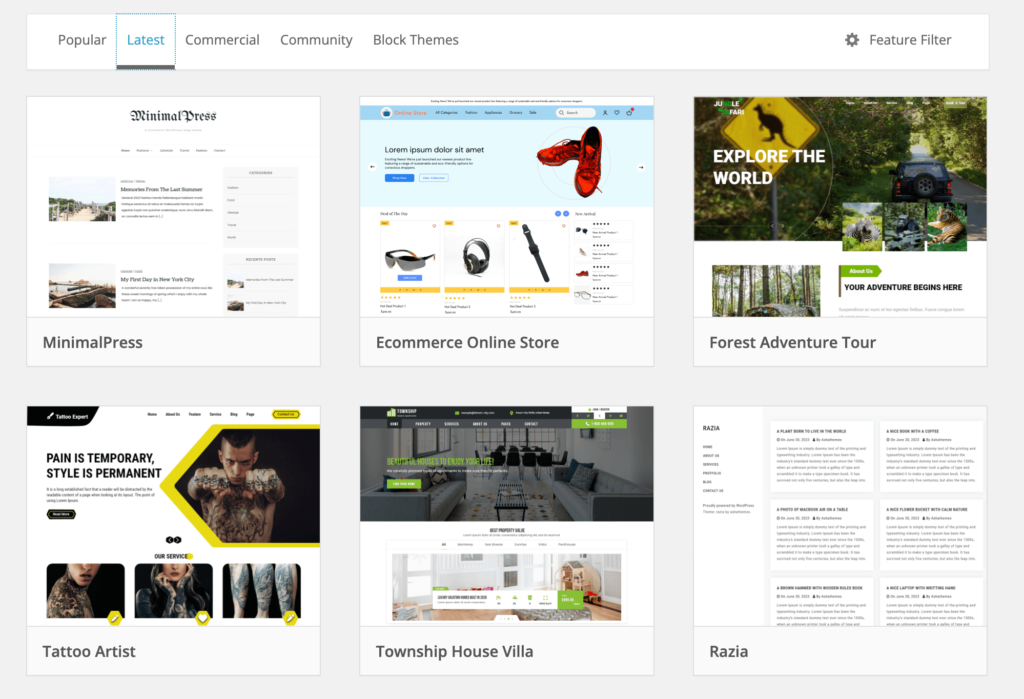
It's equally important to consider functionality and usability. Look for a WordPress theme that offers a user-friendly interface, making it easy for visitors to navigate through your site and find the information they need.
Optimise for speed and responsiveness
It's important to remember that looks aren't everything when it comes to website design. In order to truly optimise your site and provide a flawless user experience, you need to focus on speed and responsiveness.
When visitors land on your website, they expect it to load quickly and smoothly. A slow-loading site can quickly turn them away, leading to high bounce rates and missed opportunities. To prevent this, it's important to optimise your site for speed. This can be achieved by choosing a WordPress theme that is lightweight and built with clean code. Themes that are bloated with unnecessary features and scripts can slow down your site, so it's important to select one that prioritises performance. I build most of my bespoke websites with a builder called Oxygen as it eliminates a lot of the unnecessary scripts that some themes contain, which helps it load quickly.
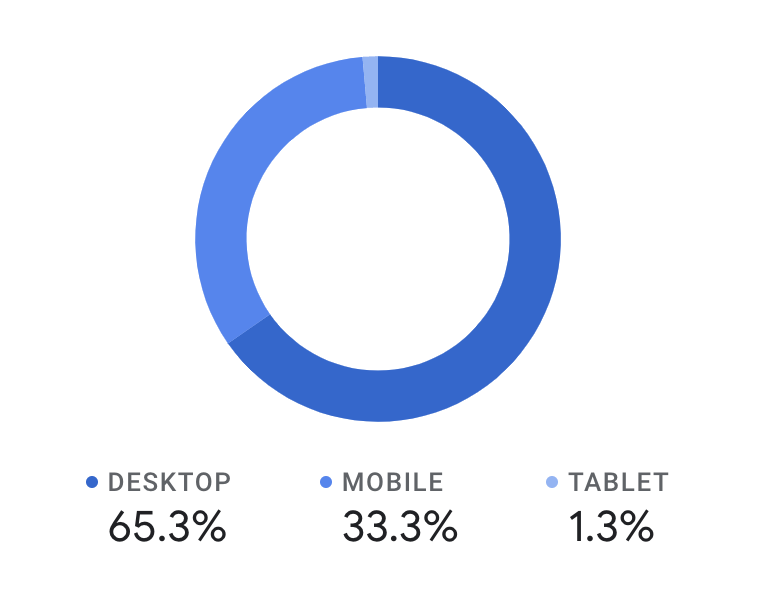
Your website also needs to be responsive. With the growing use of smartphones and tablets, it's crucial that your site looks and performs well on a variety of devices. A responsive design ensures that your site adapts and scales to different screen sizes, providing a seamless experience for users, regardless of the device they are using. This not only improves usability but also helps with search engine optimisation, as search engines prioritise mobile-friendly sites in their rankings. Looking at the Google Analytics report for this website (reddogva.co.uk) for the past 12 months to July 2023, 65% of my traffic has been on Desktop and 33% on mobile,
By optimising your small business website for speed and responsiveness, you're able to enhance the user experience and keep visitors engaged. After all, a website that is easy to navigate, loads quickly, and works seamlessly across devices is more likely to attract and retain customers.
Enhance user experience (UX)
If you want to add additional functions to your website, there's more often than not a plugin that can do the job. These powerful tools can provide a richer and more engaging experience for your visitors. Whether you want to integrate a contact form, create a photo gallery, or add social sharing buttons, you can normally find a plugin available to help you achieve your goal.
It's very useful to install a plugin to optimise your SEO (Search Engine Optimisation) as this can help you improve your website's visibility in search engine results. By optimising your content, meta tags, and URLs, these plugins ensure that your site is easily discoverable by potential customers. I like to use Yoast SEO as it’s user-friendly and effective, but there are other ones available like All in One SEO.
There are also plugins available to enhance security, improve website performance, add e-commerce functionality, and much more. The key is to carefully evaluate your website's needs and choose the plugins that will benefit your small business the most.
It's best not to add too many plugins to your website though as they could start to slow your website speed down, and there's more chance of a plugin causing an issue in the future. There are thousands of plugins available and it's important to check that you're adding safe and reliable code to your website. So, don't just choose the first one that comes up in a search, it's important to compare several plugins that can do the same job, check how regularly they are updated, how many current installations they have, and check the reviews, before making a decision.
With the foundation set, let's delve into how you can further enhance the user experience with engaging and SEO-friendly content that will drive traffic to your site and increase conversions.
Create engaging and SEO-friendly content
By carefully crafting content that captivates your audience and optimising it for search engines, you can increase the potential of your small business website.
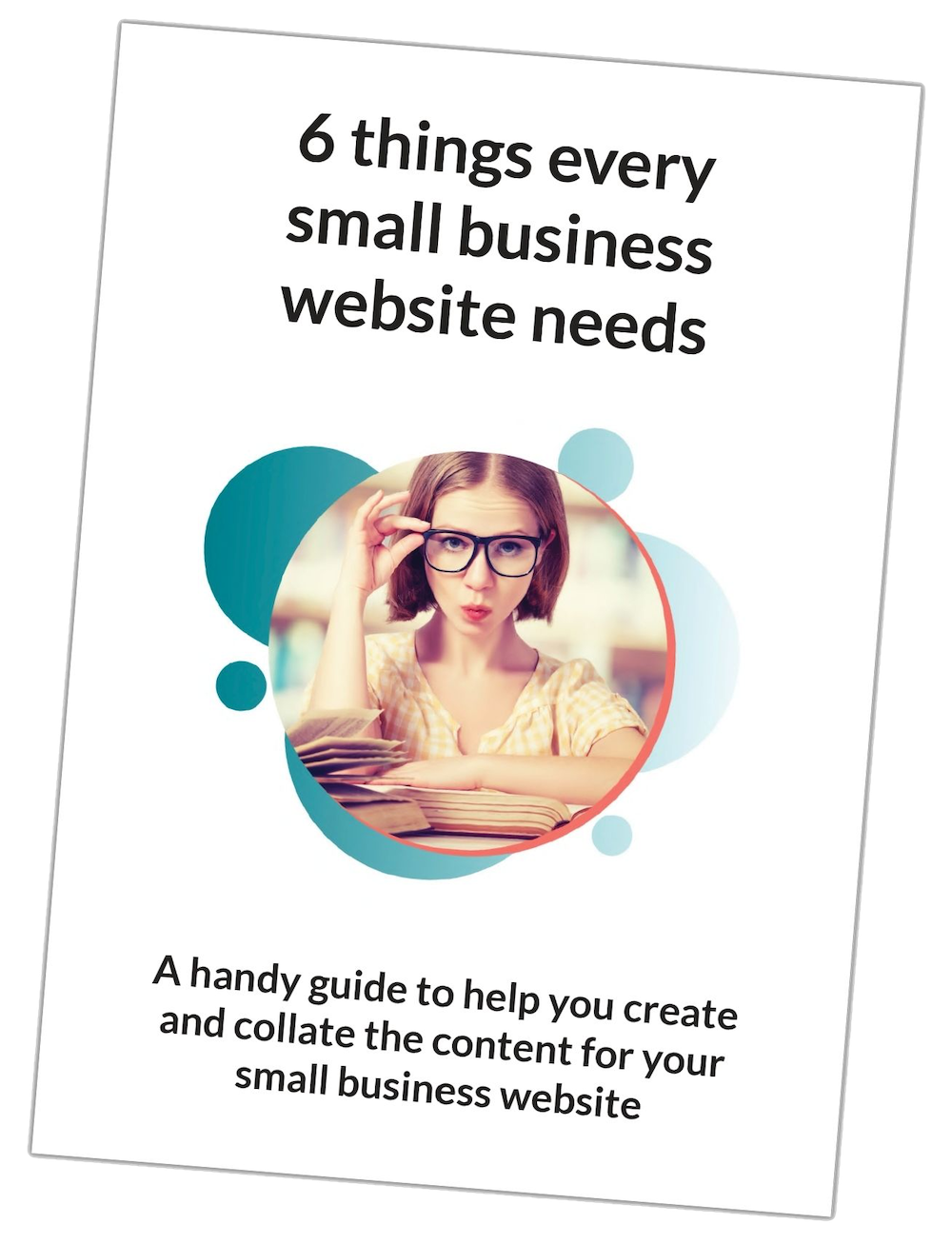
When it comes to creating engaging content, it's important to understand your target audience and their needs. By identifying their pain points and providing valuable solutions, you can establish yourself as a trusted source of information. Incorporating storytelling techniques and injecting your brand's unique voice into your content can also make it more compelling and relatable. You can download my free guide to help you create engaging content for your website here.
It takes time to create content for your website so, to increase the visibility and usefulness of your content, you should conduct keyword research to identify relevant and high-traffic keywords that align with your business goals. Then create content based on these keywords. Incorporate them naturally through your content, in headings, subheadings, and meta descriptions. However, avoid overstuffing your content with keywords, as this can negatively impact your website's ranking. This blog has more information on SEO and keyword research, it includes a step by step process on how to use Google’s Keyword Planner to find keywords.
Another important aspect of SEO-friendly content is making sure that it is well-structured and user-friendly. Use headings and subheadings to break up your content into manageable sections, making it easier for readers to navigate and find the information they need. Also, make use of bullets, numbered lists, and bolded text to highlight key points and improve readability. Structuring your content correctly will also help make your website accessible for anyone using a Screen Reader.
Remember to optimise your images as well by adding descriptive alt tags and using appropriate file names. This helps search engines understand what the image is about and can increase your chances of appearing in image search results.
By creating engaging and SEO-friendly content, you can attract more organic traffic to your website and keep visitors coming back for more.
Promote your website and measure success
By now, you have learned the importance of optimising your small business website with a refresh. You understand the significance of creating engaging and SEO-friendly content, as well as the benefits of optimising your images. But it doesn't stop there. To truly unlock the hidden potential of your website, you need to go beyond just creating great content. You also need to promote your website effectively and measure its success.
Promoting your website is crucial to ensure that the right people find your content and offerings. One effective strategy is to leverage the power of social media platforms. Share your blog posts, product pages, and other valuable content on Facebook, Instagram, Twitter, LinkedIn, and other relevant platforms. Engage with your audience by responding to comments and starting conversations. By consistently sharing and promoting your website on social media, you can expand your reach and attract new visitors.
Another powerful way to promote your website is through email marketing. Build an email list of interested prospects and loyal customers, and regularly send them updates, exclusive offers, and valuable content. Include a compelling call-to-action that directs recipients to visit your website. Email marketing allows you to nurture relationships with your audience and drive traffic to your WordPress-refreshed website. You can use my simple email marketing strategy here to get started.
Additionally, consider collaborating with influencers or industry experts in your niche. Whether through guest blogging, interviews, or social media partnerships, working with influencers can expose your website to a wider audience. This can lead to increased traffic, brand recognition, and even potential customers.
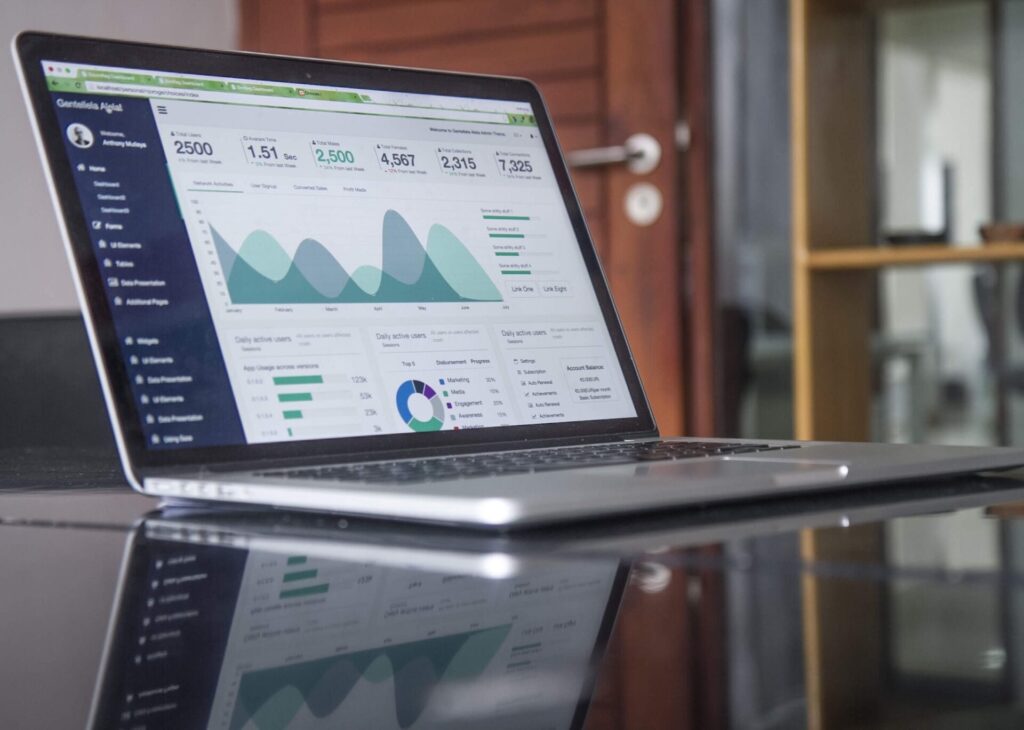
But how do you know if your efforts are paying off? It's equally important to monitor key metrics such as website traffic, bounce rate, time spent on site, and conversion rates. Tools like Google Analytics provide valuable insights into these metrics, allowing you to identify areas for improvement and track the effectiveness of your marketing efforts. By regularly reviewing and analysing these metrics, you can make informed decisions and optimise your website for better results.
Remember, your website is the digital face of your business, and with the right enhancements, it can become a powerful tool for growth. By implementing these key steps, you'll optimise its performance, attract more customers, and ultimately propel your business forward.
So, what are you waiting for? Take action now and unlock the true potential of your small business website. Embrace the possibilities, leave no stone unturned, and watch as your refreshed website becomes a catalyst for success.
As Andrew Davis said, "Content builds relationships. Relationships are built on trust. Trust drives revenue." Let your refreshed website be the foundation for building strong relationships with your customers, fostering trust, and driving revenue.
If you'd like help updating your website get in touch, I'd love to help you.