


How to reach more customers with voice search
Voice search is the use of voice commands to interact with a device or software. It's becoming increasingly popular, as people find it more convenient and natural to speak their queries than to type them.
I’m a pretty fast typist after years working in offices and on the computer but, I must admit, I use Siri sometimes when I’m out and about as it’s much easier and faster than using the tiny keyboard on my mobile.
This is good news as it means you could reach more customers with voice search if you start to consider it in your SEO strategy.
In this blog post, we’re going to take a look at the importance of voice search and how today's market dictates the need for you to incorporate it into your SEO strategy.
We’ll also look at how to optimise for voice search, what types of keywords are used, and how voice search has the power to revolutionise the SEO industry.
The Importance of Voice Search
Voice search is becoming increasingly popular, a recent study by Demand Sage found that over 50% of people are already using voice search in their day-to-day life.
This means that businesses that don't optimise their websites for voice search are going to miss out on a large number of potential customers.
Dr Mark van Rijmenam
There are a number of reasons why voice search is becoming so popular. First, it's more convenient than typing. People can simply speak their queries, and their devices will understand them.
Second, we're all used to using our voice from an early age, so it feels more natural to ask a question out loud than to type it. This makes voice search a lot more user-friendly.
And, of course, many homes now have a smart speaker like an Amazon Echo. YouGov research conducted in 2020 found that 27% owned a smart speaker back then. We don't have one yet but I can see the appeal!

The way things are going, it’s easy to imagine a future where keyboards are resigned to the shelf with faxes, typewriters, telex machines (hands up if you remember them), and landlines.
How to Optimise for Voice Search
There are a number of things you can do to optimise your website for voice search. Some of the most important things include:
Using long-tail keywords. Long-tail keywords are more likely to be used in voice searches, as they're more specific and natural-sounding.
Using conversational language. When you're writing your website content, use conversational language that people would use when speaking. This will make it more likely to be picked up by voice search.
Using schema markup. Schema markup is a way of adding structured data to your website. This data can help search engines understand your content better, and it can make your website more likely to appear in voice search results.
Optimising for mobile. More and more people are using voice search on their mobile devices. Make sure that your website is optimised for mobile so that it can be easily accessed and used by voice search users.

Tips for choosing natural sounding long tail keywords
- Use keywords that people are likely to use when they are speaking. For example, instead of using the keyword "best restaurants in Dorking," you might use the keyword "where's the best restaurant in Dorking for a romantic meal?"
- Use keywords that are related to your target audience. For example, if your target audience is people who are interested in travel, you might use keywords like "best travel destinations" or "how to plan a trip."
- Use keywords that are relevant to your content. The keywords that you choose should be relevant to the content of your blog post. This will help you improve your chances of ranking for those keywords.
Keywords are important for Google's ranking algorithm, so it's worth taking some time to find good ones and use them throughout your content and metadata.
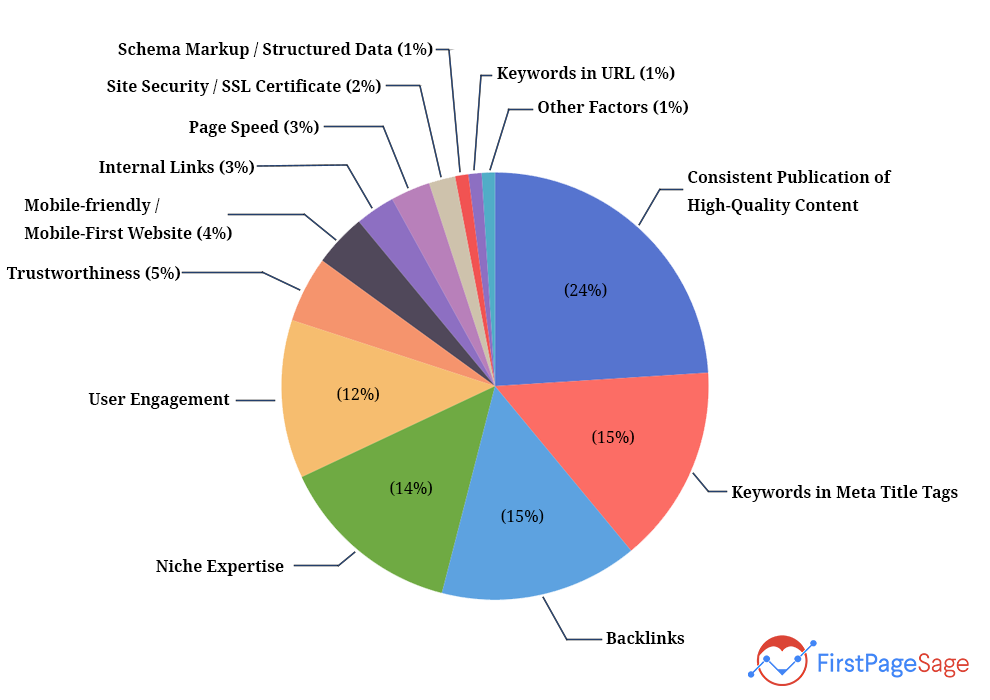
Find out how to search for long tail keywords in this blog “Four simple steps to improve your Small Business SEO”.
Are you ready to reach more customers with voice search?
In this blog post, we've discussed the importance of voice search and how you can optimise your website for it. Now it's time to take action!
Here are a few things you can do:
- Use long-tail keywords. Long-tail keywords are more specific and less competitive than short-tail keywords, so they're a great way to target your audience and improve your chances of ranking on Google for voice searches.
- Use conversational language. When you're writing your content, use conversational language that people would use when they're speaking. This will make your content more likely to be picked up by voice search.
- Use schema markup. Schema markup is a way of adding structured data to your website. This data can help search engines understand your content better, and it can make your website more likely to appear in voice search results.
- Optimise for mobile. More and more people are using voice search on their mobile devices. Make sure that your website is optimised for mobile so that it can be easily accessed and used by voice search users.
By following these tips, you can optimise your website for voice search and reach more customers.
So what are you waiting for? Get started today or get in touch if you'd like help with optimising your website for voice search.